

South Florida's beautiful sunshine and warm breezes are a cherished part of life, especially for our seniors enjoying retirement in places like Boca Raton, Boynton Beach, and West Palm Beach. However, this beautiful climate comes with a hidden challenge: the constant need for optimal senior hydration. Older adults are more susceptible to dehydration, particularly in our humid environment, which can lead to fatigue, confusion, and more serious health issues. Ensuring proper fluid intake is a cornerstone of healthy aging. This essential guide from Wellovah Home Health Care will help families and caregivers understand why senior hydration is so critical and offer practical strategies to keep your loved ones well-hydrated and thriving throughout the year.
Why Senior Hydration is Critical in South Florida
As we age, our bodies undergo natural changes that make us more vulnerable to dehydration. This is especially true for older adults living in the tropical climate of South Florida, where high temperatures and humidity persist for much of the year. Our bodies' ability to regulate temperature can become less efficient, and the sensation of thirst often diminishes, meaning seniors might not feel thirsty until they're already dehydrated.
Medications, certain health conditions, and reduced mobility can also play a role in inadequate fluid intake. In the hot, humid weather prevalent across areas like Delray Beach and Lake Worth, losing fluids through perspiration happens quickly, increasing the risk for dehydration in older adults. Proper senior hydration is not just about comfort; it's a vital component of maintaining cognitive function, energy levels, and overall physical health.
The Unique Challenges of Heat and Humidity for Seniors
- Diminished Thirst Sensation: Seniors often don't feel thirsty as readily as younger individuals.
- Kidney Function Changes: Kidneys may become less efficient at conserving fluid.
- Medication Side Effects: Many common medications can increase fluid loss or decrease thirst.
- Reduced Mobility: Difficulty accessing drinks or frequently using the restroom can deter fluid intake.
- Fear of Incontinence: Some seniors restrict fluids to avoid urinary urgency.
Recognizing the Signs of Dehydration in Older Adults
Spotting the warning signs of dehydration early is key to preventing more serious health complications. Unlike younger individuals, seniors may not always show typical signs like intense thirst. Caregivers and family members, especially in warm climates like Highland Beach, should be vigilant.
Here are crucial signs to look for:
| Common Signs of Dehydration | More Severe Indicators |
|---|---|
| Dry mouth or sticky tongue | Confusion or disorientation |
| Infrequent urination or dark urine | Dizziness or lightheadedness |
| Fatigue or unusual tiredness | Low blood pressure |
| Muscle cramps | Rapid heart rate |
| Sunken eyes | Fainting or loss of consciousness |
| Headaches | Inability to sweat in warm weather |
If you notice any of these signs, particularly the more severe indicators, it's important to seek medical attention promptly. Early intervention can make a significant difference.
Practical Daily Hydration Routines for Seniors
Building a consistent and enjoyable hydration routine is the most effective way to ensure adequate water intake for seniors. These practical tips can be easily integrated into daily life:
Set Reminders:
- Use a timer or a hydration app to prompt regular sips throughout the day.
- Link hydration to daily activities, such as taking a drink before and after meals, medications, or short walks.
Make Water Accessible and Appealing:
- Keep water within easy reach in multiple locations around the house.
- Offer water at preferred temperatures – some seniors like it chilled, others prefer room temperature.
- Add flavor with slices of cucumber, lemon, lime, or berries to make water more enticing.
Establish a 'Hydration Station':
In the kitchen or living area, set up a visible area with a pitcher of water, cups, and perhaps some safe, hydrating snacks. This visual cue can serve as a regular reminder.
Encourage Small, Frequent Sips:
Instead of large amounts at once, encourage seniors to take small sips every 15-20 minutes. This is often better tolerated and less likely to overwhelm the bladder.
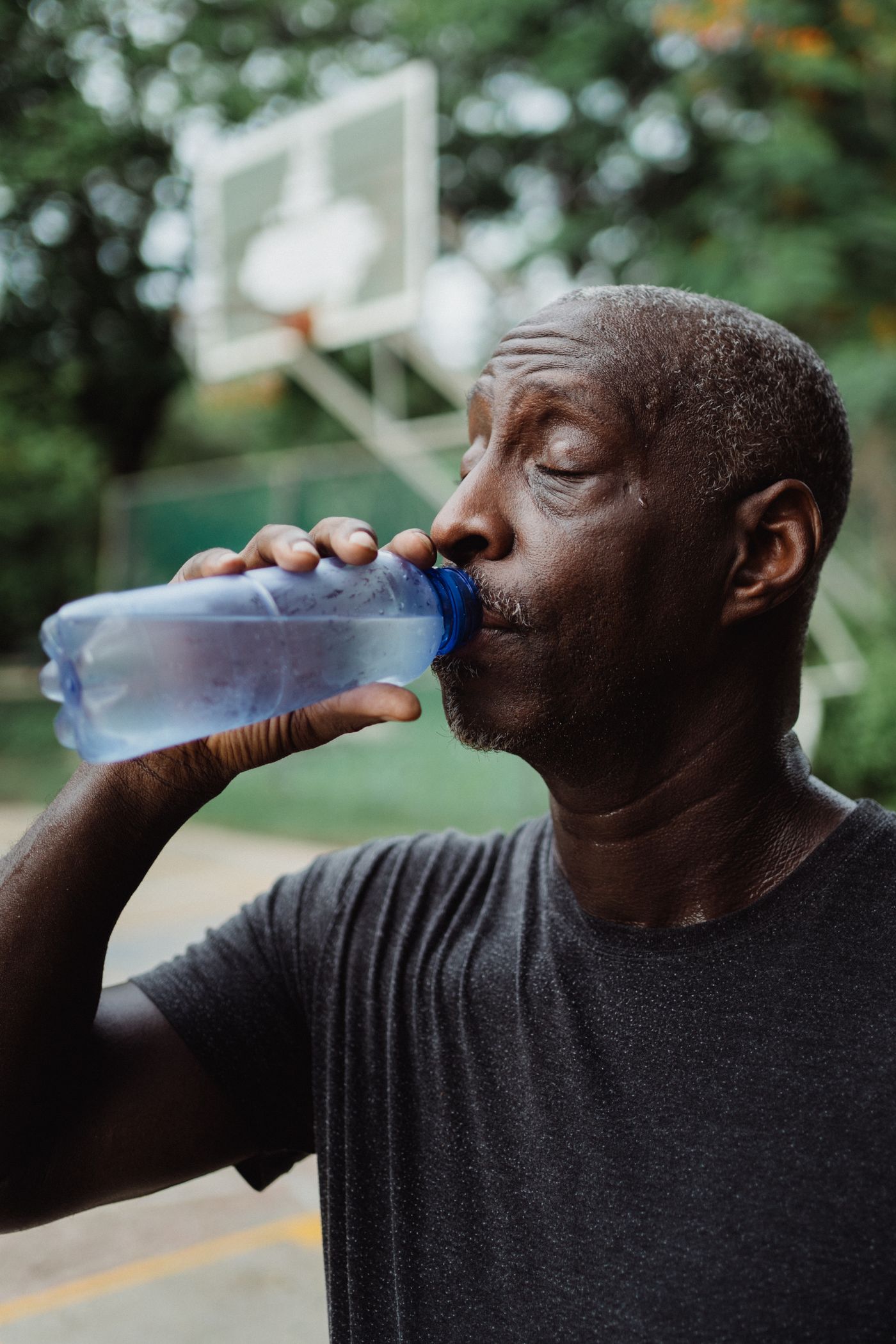
Beyond Water: Hydrating Foods and Drinks
While water is the best source of hydration, it's not the only one. Many foods and other beverages contribute significantly to a senior's daily fluid needs. This is particularly helpful for those who struggle to drink plain water.
Top Hydrating Beverages (in addition to water):
- Herbal Teas: Caffeine-free herbal teas, served warm or iced, can be soothing and contribute to fluid intake.
- Diluted Juices: Small amounts of 100% fruit juice diluted with water can add flavor and hydration.
- Low-Sodium Broths: Chicken or vegetable broths are excellent, especially if appetite is low.
- Milk or Milk Alternatives: These provide fluid, calcium, and other nutrients.
- Oral Rehydration Solutions (ORS): For specific situations like illness, ORS can replenish electrolytes.
Hydrating Foods to Incorporate:
Many fruits and vegetables have high water content and offer essential vitamins and minerals. Think of them as delicious ways to boost senior hydration!
- Fruits: Watermelon, strawberries, cantaloupe, oranges, grapefruit, peaches, and berries.
- Vegetables: Cucumber, celery, lettuce, spinach, bell peppers, and tomatoes.
- Soups and Stews: These are excellent, especially during cooler South Florida "winter" days or if a senior has difficulty chewing.
- Yogurt and Smoothies: Offer a blend of fluids, nutrients, and can be easy to consume.

Caregiver's Role in Ensuring Adequate Senior Hydration
Caregivers, whether family members or professional aides, play an indispensable role in monitoring and encouraging proper senior hydration. Your vigilance and proactive approach can make all the difference in preventing dehydration, especially during the long, hot months in our region.
Effective Strategies for Caregivers:
- Lead by Example: Drink water regularly yourself to normalize the habit.
- Monitor Intake: Keep track of how much fluid is consumed daily. Note changes in urine color or frequency.
- Offer Choices: Present a variety of hydrating options throughout the day to find what the senior prefers.
- Integrate into Meals: Ensure drinks are offered with every meal and snack.
- Be Patient and Encouraging: Gentle reminders and positive reinforcement work best. Avoid nagging.
- Observe for Changes: Pay close attention to any subtle shifts in behavior or physical symptoms that could indicate dehydration.
At Wellovah Home Health Care, we understand the complexities of caregiver support. Our dedicated team of professionals can assist with daily routines, including hydration monitoring and encouragement, ensuring your loved one stays healthy and comfortable. This support can be invaluable, offering peace of mind to families in Boca Raton, West Palm Beach, and surrounding areas.
When to Seek Professional Support for Senior Health
While proactive steps for senior hydration are crucial, there are times when professional home health care support becomes essential. If a senior consistently struggles with adequate fluid intake, experiences frequent dehydration episodes, or has complex health needs that make hydration challenging, it might be time to consider professional assistance.
Wellovah Home Health Care provides compassionate and skilled home care services throughout South Florida. Our caregivers are trained to monitor hydration, assist with medication management, prepare nutritious meals, and ensure a safe, comfortable environment. We can help tailor a hydration plan that fits your loved one's specific needs, reducing the risk of dehydration and enhancing their overall well-being.
Don't hesitate to reach out if you have concerns about a loved one's hydration or general health. Our team is here to provide the support and expertise your family deserves. Schedule a consultation today to learn more about how we can help.
Maintaining optimal senior hydration is an ongoing commitment, especially in South Florida's climate. By understanding the risks, recognizing the signs, and implementing practical routines, you can help your loved ones enjoy a healthier, more vibrant life. Wellovah Home Health Care is your trusted partner in providing comprehensive and compassionate care, ensuring seniors in our community thrive.
Related Resources for Palm Beach County Families
These guides and service pages can help families compare care options and plan the next step at home.
- Homemaking Services: support with meals, laundry, organization, and keeping the home manageable.
- Companionship Care: friendly support that helps seniors stay socially engaged and emotionally connected.
- Eating Well in the South Florida Heat: Nutrition Basics: As we age, our bodies and nutritional needs naturally change. But when you factor in the intense, year-round heat and humidity we experience here in Palm Beach County,...
- Essential Guide to Respite Care: When South Florida Caregivers Need Help: A locally licensed non-medical home care agency dedicated to providing exceptional support and fostering independence for the elderly in Boca Raton, FL.
- Browse all elder-care blog guides: compare practical articles for families across Palm Beach County.
Let's Make Home Care Feel Easier
Schedule a complimentary RN consultation to learn which care plan fits your family best.
Book a Free RN Consultation